Why More SEO Traffic Doesn’t Always Mean More Sales

More website traffic can look like a win, but it doesn’t always lead to more sales. SEO traffic is valuable when it brings the right people to your website and gives them a clear next step.
Consider a local accounting firm ranking for “how to calculate tax.” The page might attract thousands of visitors, but many could be looking for a quick answer rather than an accountant.
Now compare that with someone searching for “small business accountant Melbourne.” There may be fewer searches, but the visitor is much closer to making an enquiry.
This is why traffic numbers need context. Look at where visitors came from, what they searched for, which pages they visited, and what they did afterwards.
If your organic traffic is growing but enquiries aren’t, don’t assume your SEO isn’t working. Start by checking whether you’re attracting the right searchers.
More Website Traffic Isn’t Always Better
Website traffic is useful, but it is only one part of the picture. A growing traffic number doesn’t tell you whether those visitors are relevant to your business.
For example, a business might rank for several high-volume informational keywords. Those rankings can bring plenty of visitors without bringing many potential customers.
A smaller number of people searching for a specific product or service may be more valuable. They have a clearer reason for visiting the website and may be closer to taking action.
For Australian businesses, the goal shouldn’t be to chase an impressive traffic number for its own sake. Your SEO strategy should attract people who need what you offer.
If you’re unsure where your organic visitors are coming from, an SEO audit can help identify gaps in visibility, targeting and website performance.
What Makes SEO Traffic Valuable?
Not all SEO traffic delivers the same business value. The difference usually comes down to relevance, audience fit and search intent.
It’s useful to think about SEO traffic as a progression. A visitor can move from simply finding your website to becoming a customer, but those stages are not the same.
Traffic
Someone arrives at your website through an unpaid search result.
Relevant Traffic
Their search relates to something your business offers.
Qualified Traffic
They fit your target customer and have a genuine need.
Converting Traffic
They take a valuable action, such as making an enquiry, booking a service or purchasing.
Imagine a dental practice targeting “how long does tooth pain last.” The page may attract useful informational traffic and introduce someone to the practice.
Someone searching for “dentist for emergency toothache” may be much closer to making contact.
That doesn’t make informational traffic worthless. It can help people discover your business earlier in their decision-making process.
The important part is knowing what each type of traffic should achieve.
5 Twelve looks beyond visitor numbers to understand whether SEO is connecting your business with the searches that matter.
Why High SEO Traffic Can Still Produce Few Sales
High SEO traffic can produce few sales when the visitors, keywords or landing pages don’t align with what the business offers. More clicks cannot fix the wrong audience or search intent.
A plumbing business might rank for “how to unclog a drain.” The topic could attract plenty of organic traffic.
Many visitors may simply want instructions they can follow themselves. Someone searching for “emergency plumber near me” has a clearer reason to contact a professional.
Several issues can create this disconnect.
You May Be Targeting The Wrong Keywords
High-volume keywords can attract people outside your target market.
A keyword can look attractive in a research report but still bring little value to the business.
Your Content May Miss Search Intent
People searching for the same topic don’t always want the same thing. Understanding search intent helps you create a page that matches what the searcher is actually looking for.
Your Landing Pages May Be Weak
Getting someone to your website is only the beginning.
The landing page should make it clear what you offer, who it’s for and what the visitor can do next.
Your Calls To Action May Be Unclear
Visitors shouldn’t have to work out what to do after reading your content.
Whether that’s booking, calling, requesting a quote or viewing a service, the next step should make sense.
Your Offer May Not Match
Content can attract people looking for something your business doesn’t provide.
Before chasing more traffic, look at the traffic you already have. Identify which pages attract visitors, what queries bring them there, and whether those visitors take meaningful actions.
The problem may not be traffic volume. It may be traffic quality.
The SEO Metrics That Matter Beyond Traffic
Traffic is useful, but it doesn’t tell the whole story. Good SEO measurement should connect search visibility with actions and business outcomes.
A simple way to look at this is:
Visibility → Visits → Actions → Business outcomes
| Metric | What it tells you |
| Impressions | How often your pages appear in search |
| Clicks | How often searchers visit your site |
| Click-through rate (CTR) | How effectively visibility earns clicks |
| Organic traffic | How many visitors arrive through search |
| Landing pages | Which pages attract organic visitors |
| Conversions | Whether visitors take valuable actions |
| Leads or sales | Whether SEO supports business outcomes |
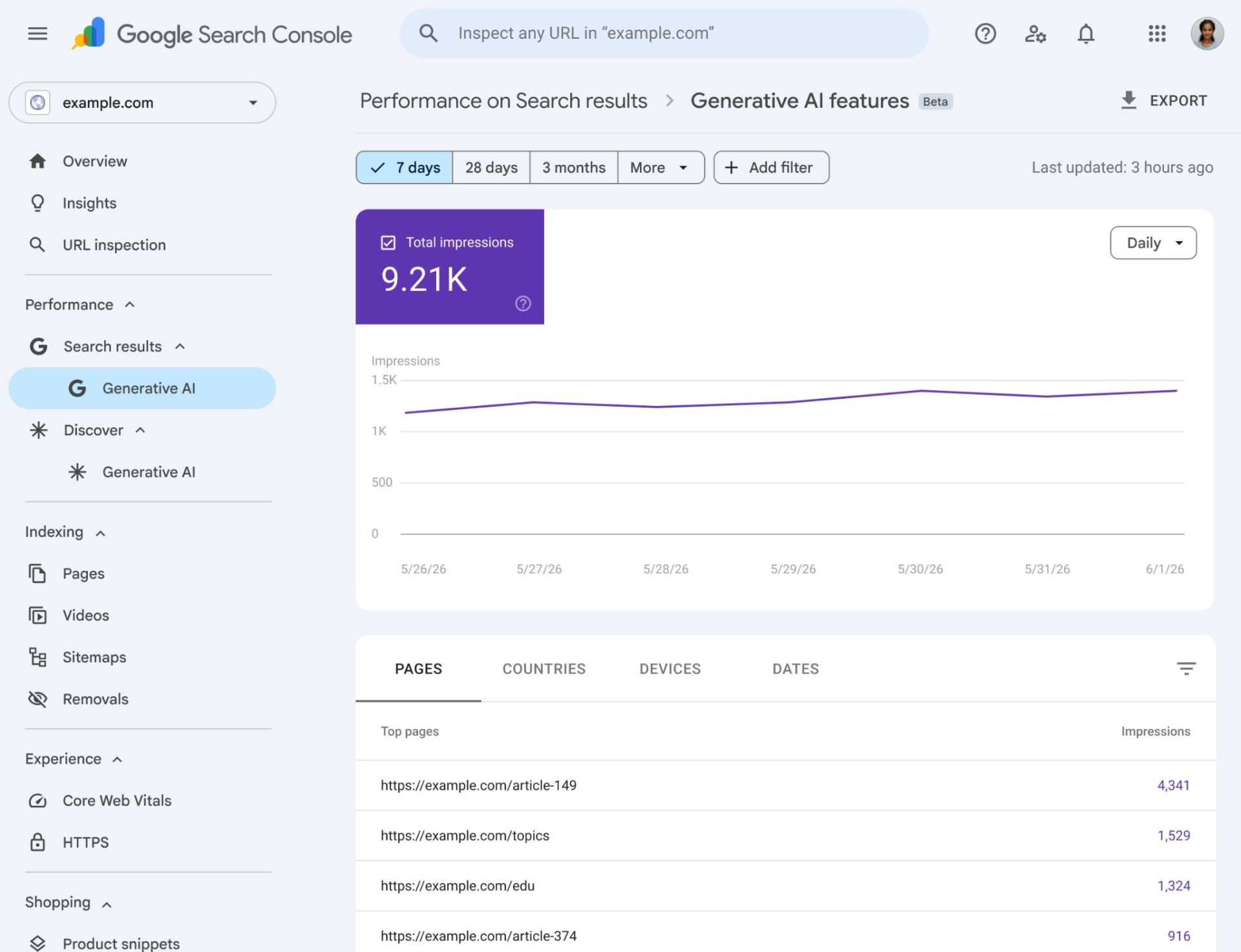
Google Search Console can help you understand search visibility, impressions and clicks. Google Analytics can provide more insight into what visitors do after reaching your website.
You don’t need to treat every metric as equally important.
A business focused on enquiries may care more about qualified leads than a large increase in sessions. An ecommerce business may focus more heavily on purchases and revenue.
The right metrics depend on what you need your SEO strategy to achieve.
Want to take a closer look at your SEO performance? Learn how to tell if your SEO is working.
How To Tell If Your SEO Traffic Is Actually Working
You don’t need a complicated reporting system to start diagnosing SEO performance. Compare your traffic with the actions you want visitors to take.
Then look at where the numbers don’t line up.
Traffic Is Increasing And Conversions Are Increasing
Your SEO may be contributing to business growth.
Look at which pages, topics and search queries are driving the strongest results. These can help show where your SEO efforts are attracting valuable visitors.
Traffic Is Increasing But Conversions Are Flat
Check whether you’re attracting the right people.
Review your keyword targeting, search intent, landing pages and calls to action.
Traffic Is Decreasing But Conversions Are Stable
Don’t assume every traffic drop is harmful.
Check which pages and search queries have declined. You may have lost lower-value traffic while your more valuable visitors remain stable.
Rankings Are Increasing But Clicks Aren’t
Higher rankings don’t always translate into more visits.
If your pages are ranking higher but clicks aren’t increasing, review your click-through rate, page titles and descriptions. These can help show whether your search listings are encouraging people to visit.
Impressions Are Increasing But Clicks Aren’t
Increasing impressions mean your pages are appearing in search more often, but that visibility isn’t necessarily turning into visits.
Check whether the content matches search intent. Also consider how search engine results page (SERP) features may affect clicks. Seer Interactive’s April 2026 study found that brands cited in an AI Overview earned about 120% more organic clicks per impression on informational queries than brands that weren’t cited. Seer notes this is a correlation, not proof of cause.
This changes the question from:
“How much traffic did we get?”
To:
“What is our SEO traffic actually doing for the business?”
Don’t Chase Traffic. Chase The Right Searchers.
SEO isn’t about putting as many people as possible on your website. It’s about connecting the right people with the right content.
A useful SEO strategy brings together:
Right audience + right search intent + right content + right conversion path
Start with the people your business wants to reach. Then identify the questions, problems and services they search for.
Your content should answer those searches clearly. Relevant service or product pages should give visitors a natural next step.
Search behaviour is also changing. Zero-click search features such as AI Overviews can affect how often people click through to websites. According to SparkToro’s 2026 research, 68.01% of US Google searches ended without a click during the first four months of 2026.
Seer’s study found that AI Overviews appeared on about 36% of informational queries, compared with around 5% of transactional queries. The study covered 53 brands, and the AI Overview figures come from a February 2026 snapshot of about 49,000 tracked queries.
That means rankings and website traffic don’t always tell the entire story.
Look at whether your business is becoming more visible to the people who matter. That increasingly includes understanding how your business appears in AI search, not just traditional organic results. Then consider whether those visitors engage with your website and take meaningful action.
The goal is useful visibility that contributes to measurable business outcomes.
How 5 Twelve Can Help Turn SEO Traffic Into Business Results
At 5 Twelve, SEO isn’t simply about increasing the number of people visiting your website. The more useful question is whether your search visibility is helping you reach the right customers.
That starts with understanding a few things.
Who You Want To Reach
Identify your ideal customers and the problems they’re trying to solve.
What They Search For
Understand the keywords, questions and topics connected to your products or services.
Which Pages Attract Them
Look at the content and landing pages generating organic visibility and visits.
What Happens After They Arrive
Check whether visitors find what they need and have a clear next step.
Whether SEO Supports Business Results
Look at enquiries, leads, bookings, purchases and other meaningful actions.
If your traffic is growing but enquiries aren’t, you may not need more content or more keywords.
You may need better targeting, stronger search intent alignment, more relevant content or a clearer conversion path.
Start by finding the gap. If you want a clearer picture of what’s working and what needs attention, explore 5 Twelve’s SEO Audit or learn more about Ongoing SEO support.
The aim isn’t simply to get more visitors. It’s to attract the right people and help them take the next step.
FAQs
Why Is My Website Getting Traffic But No Sales?
Your website may be attracting the wrong visitors or failing to convert relevant ones. Common causes include low-intent keywords, mismatched search intent, weak landing pages, unclear calls to action, or an offer that doesn’t meet visitor expectations. Review the journey from search query to landing page and conversion to identify where potential customers drop off.
How Long Does SEO Take To Generate Results?
SEO usually takes time because search visibility and traffic build gradually. Results vary based on factors such as your website, competition, content quality, existing authority and target search terms. Instead of relying on a fixed timeframe, monitor changes in visibility, rankings, organic traffic and conversions to understand how your SEO is progressing.